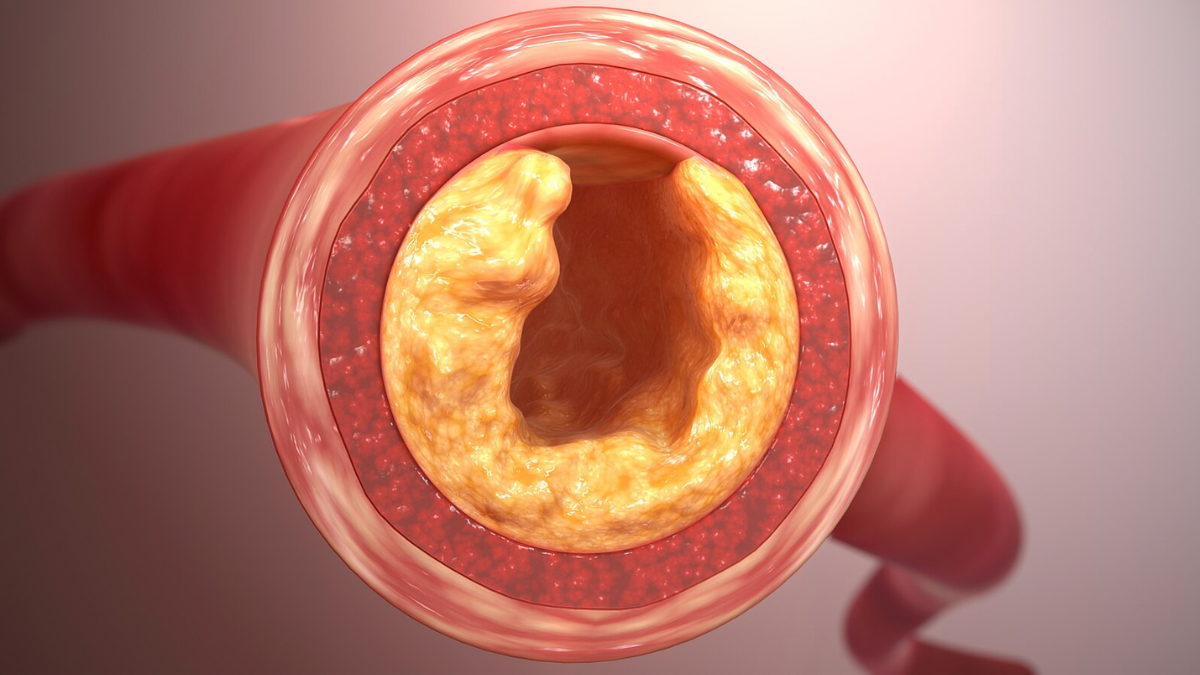
Arteries are lifeline to all of us, they carry blood to our vital organs and keeping them unclogged is essential for all of us. As the years go by, our arteries can slowly narrow by calcium and cholesterol deposits — especially if we spend long hours sitting, eat heavily processed foods, or skip regular exercise. Many Americans don’t think about heart health until something serious happens, like high blood pressure, a stroke, or a heart attack.
But cardiovascular disease often builds quietly over time. When plaque — a mix of fat, cholesterol, and calcium — hardens inside artery walls, it creates atherosclerosis, a condition that raises your risk of heart attacks, strokes, and high blood pressure.
The good news is that small, consistent dietary changes can make a big difference. Some foods can protect your arteries and even help reverse early damage. Here are five proven foods that support cleaner arteries and a healthier heart.
1. Oats: Your Morning Heart Protector

Oats are a breakfast staple — and one of the best foods you can eat for your heart. They’re loaded with beta-glucan, a type of soluble fiber that helps reduce “bad” LDL cholesterol and total cholesterol levels.
Studies have found that eating oats regularly can lower LDL cholesterol by about 5–7%, which over time helps slow plaque buildup in your arteries.
Oats also help balance blood sugar and improve digestion. For the most benefit, choose steel-cut or old-fashioned rolled oats instead of instant versions — they’re less processed and retain more nutrients and fiber.
2. Moringa: The Antioxidant Leaf Gaining U.S. Attention
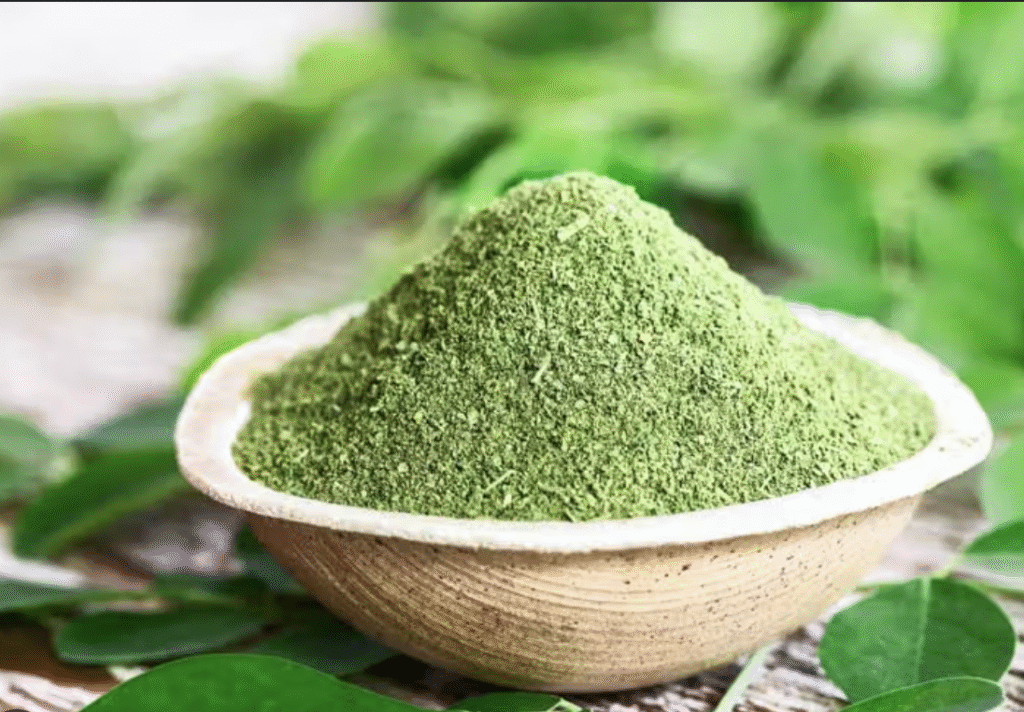
Once popular in Asia and Africa, moringa (often sold as powder, capsules, or tea in the U.S.) is now recognized as a true superfood. It’s rich in antioxidants like quercetin, which reduce inflammation and improve blood vessel flexibility — helping to lower blood pressure naturally.
Moringa also helps increase “good” HDL cholesterol and decrease LDL cholesterol, improving the body’s overall lipid balance.
You can add 1–2 teaspoons of moringa powder to smoothies, green juices, or tea. Some people also mix it into soups or salads. Regular use may support healthy circulation and help protect arteries from oxidative damage.
3. Walnuts: The Omega-3 Snack for Stronger Arteries
Walnuts are a great source of plant-based omega-3 fatty acids (alpha-linolenic acid) — nutrients known to support cardiovascular health.
Studies show that eating just a small handful of walnuts a day can help lower LDL cholesterol, reduce blood pressure, and decrease overall inflammation in the body.
They’re calorie-dense, so moderation is key — around 5–6 walnut halves a day is enough. Eat them raw or soaked overnight for maximum benefit, and avoid the salted or sugar-coated varieties.
4. Fenugreek Seeds: A Hidden Cholesterol Fighter
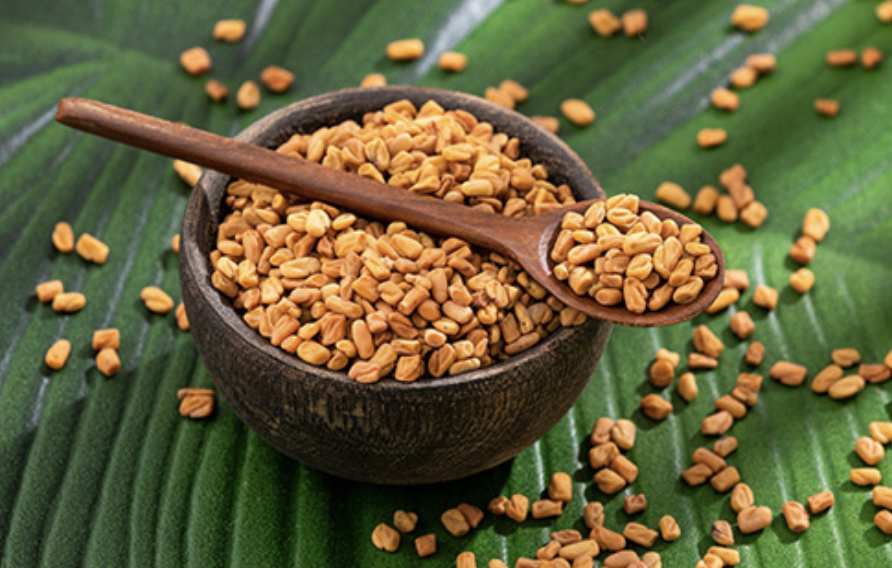
Though not yet mainstream in American kitchens, fenugreek seeds (found in most health stores or online) are known for their cholesterol-lowering benefits. They contain natural compounds that help reduce LDL and total cholesterol while improving “good” HDL cholesterol.
You can soak a teaspoon of fenugreek seeds in water overnight and drink the water in the morning, or sprinkle ground fenugreek into soups, curries, or stews for a slightly nutty flavor.
Regular use has been linked to improved lipid profiles and better heart health — especially for people managing cholesterol or blood sugar.
5. Curry Leaves: The Underrated Leaf with Big Heart Benefits
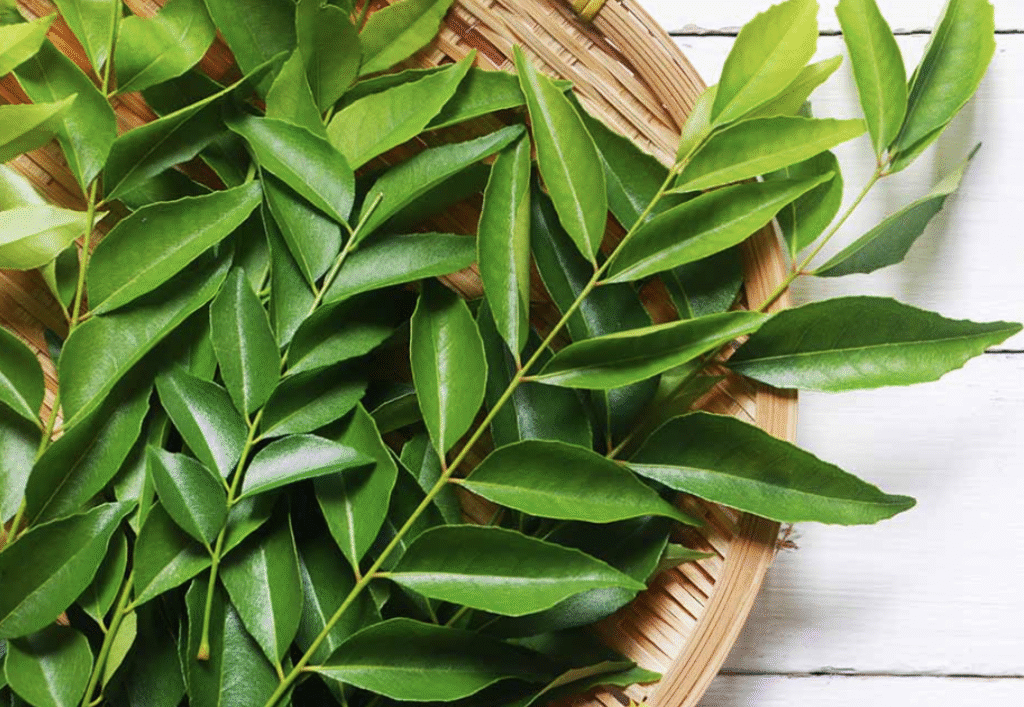
Often overlooked in Western diets, curry leaves (available at most Asian grocery stores or online) are packed with antioxidants and plant compounds that support cardiovascular function.
They contain kaempferol, a powerful antioxidant that helps reduce inflammation, prevent plaque buildup, and lower LDL cholesterol. Curry leaves also help regulate blood sugar — another key factor in heart health.
Add them to soups, stir-fries, or homemade sauces to enhance flavor and nutrition. Just a few leaves go a long way toward supporting healthy blood flow and digestion.
Lifestyle Habits That Keep Arteries Flowing Freely
While foods play an important role, heart health depends most on your daily habits. Arterial plaque can’t be completely reversed, but its growth can be slowed — and even reduced in some cases — with lifestyle consistency.
Here’s what experts recommend:
- Exercise regularly: Aim for 150 minutes of moderate activity per week — walking, swimming, cycling, or yoga all count.
- Maintain a healthy weight: Losing even 5–10% of body weight can improve blood pressure, cholesterol, and insulin sensitivity.
- Eat balanced meals: Focus on fruits, vegetables, lean proteins, whole grains, and healthy fats like olive oil and avocados.
- Manage stress and sleep well: Chronic stress raises cortisol, which increases blood pressure and inflammation.
- Quit smoking and limit alcohol: Both harm arteries and accelerate plaque formation.
Final Takeaway
No single food can magically “clean” your arteries, but a balanced diet filled with heart-healthy ingredients — combined with regular exercise and mindful living — can dramatically reduce your risk of heart disease.
It’s far easier to protect your arteries now than to repair them later.
Always talk with your doctor or a registered dietitian before making major dietary changes, especially if you have high cholesterol, diabetes, or heart disease.
Disclaimer:
This article is for informational purposes only and is not a substitute for medical advice. Individual results vary. Always consult a qualified healthcare provider before changing your diet or fitness routine.